
 Image 1 of 3
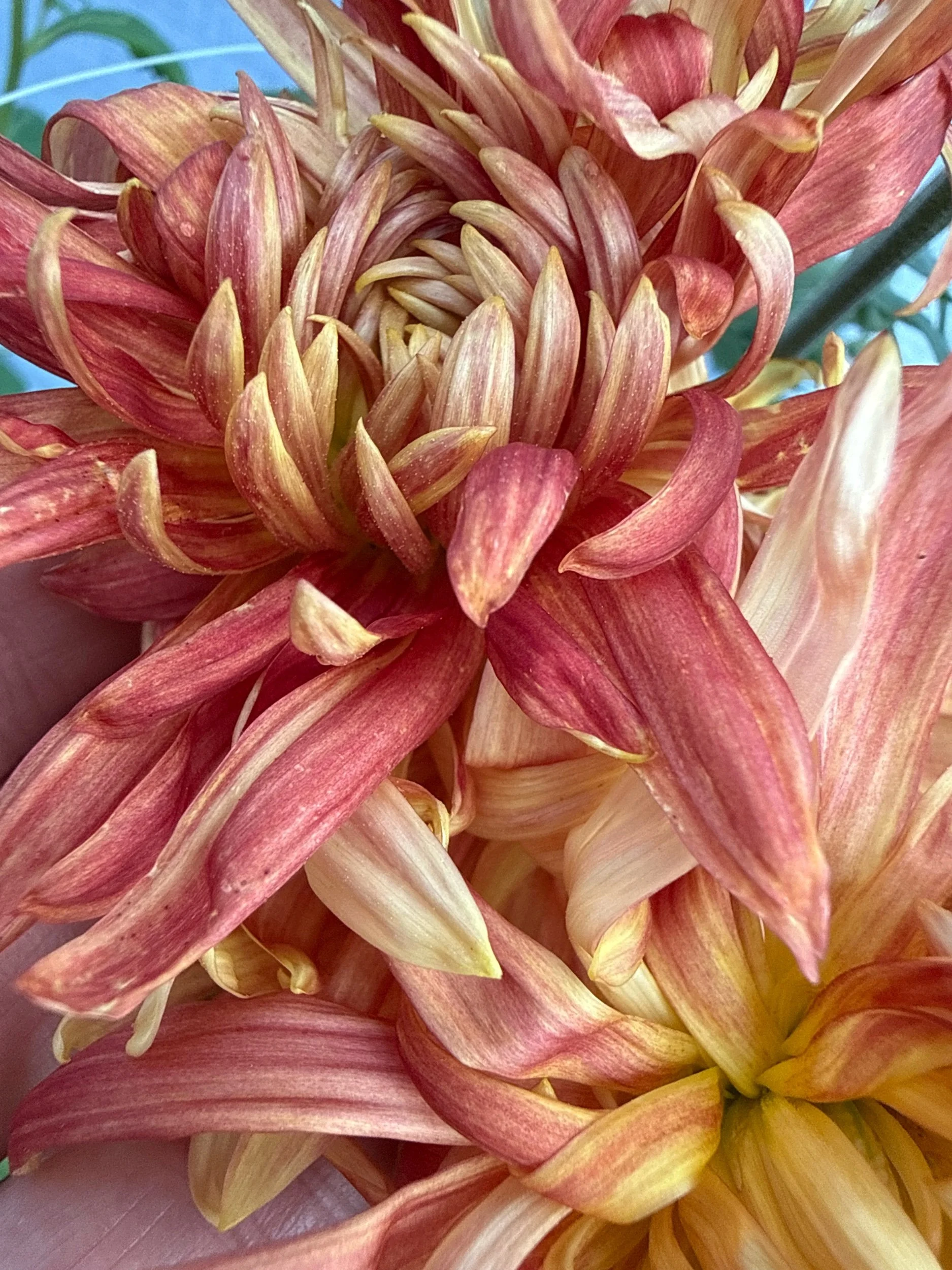 Image 2 of 3
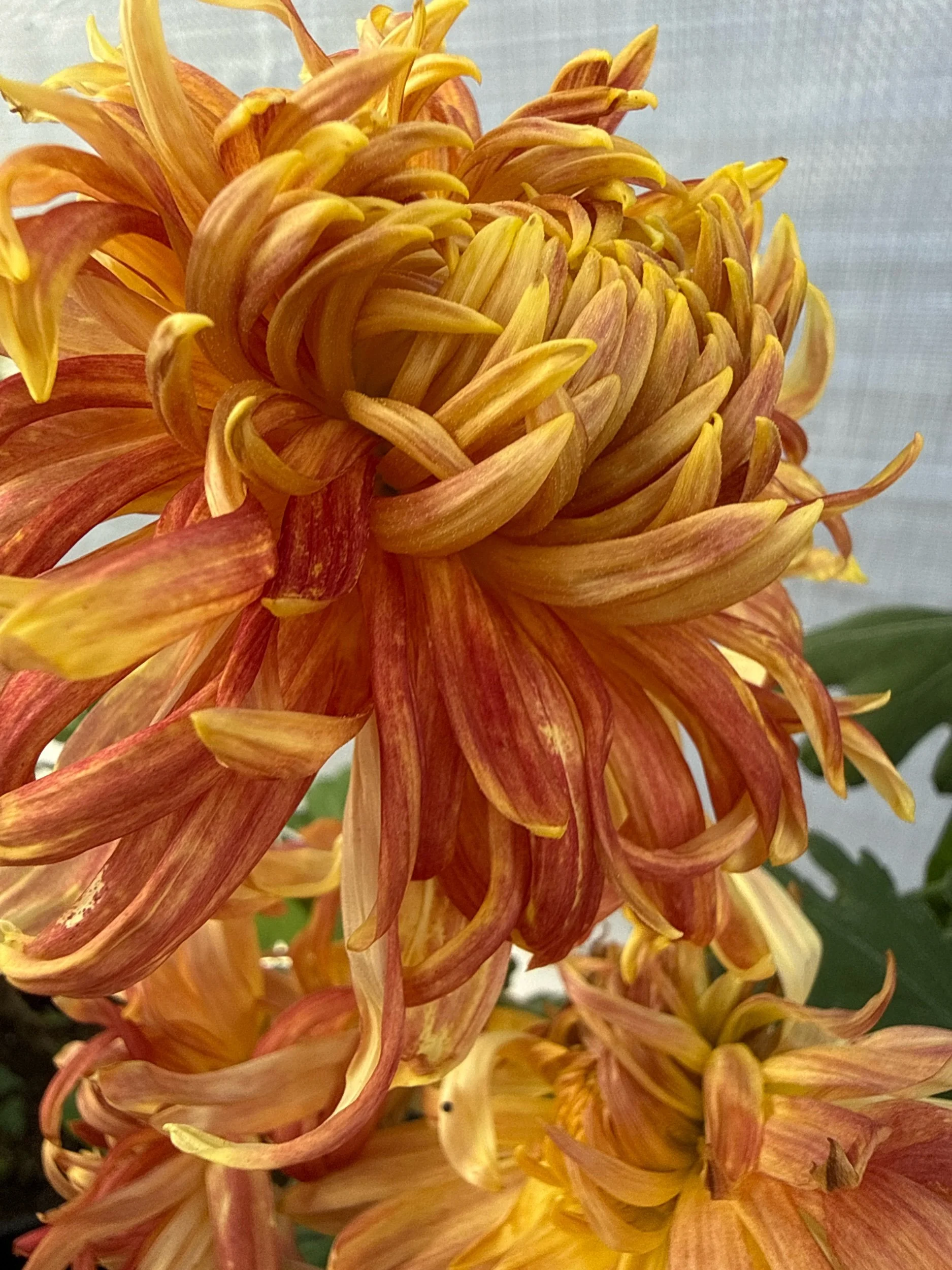 Image 3 of 3
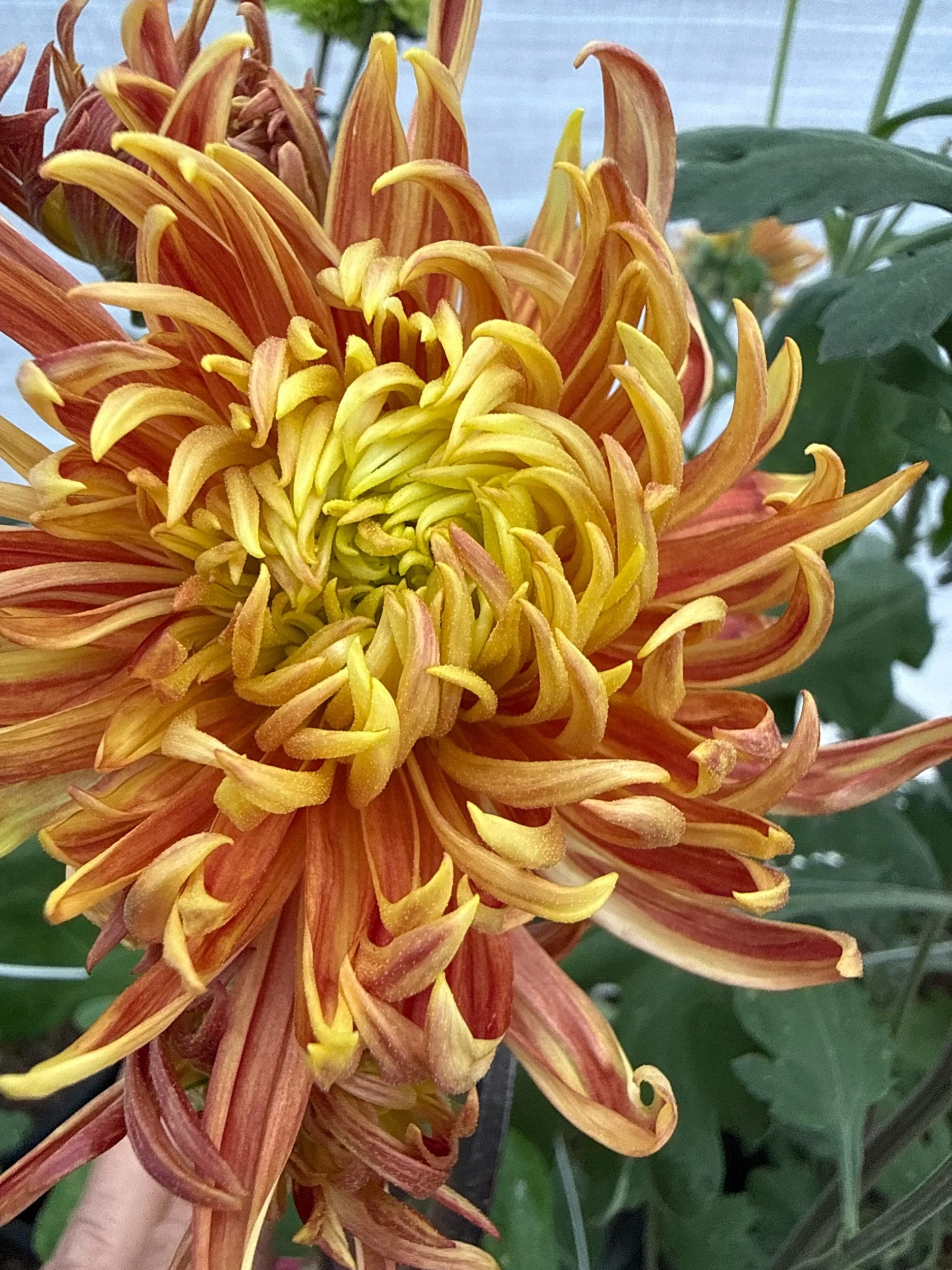
Color & Form: The bloom is a lovely light champagne or ivory shade with bronze undertones, featuring petals that curve inward to create a large, beautiful, satin-finish globe.
Flowering Season: It is a late-season bloomer, typically providing flowers in late autumn (May/June/July and Sept/Oct in different hemispheres).
Best Grown As a Disbud: To achieve the largest and most impressive flowers, it is recommended to grow this variety as a disbud chrysanthemum, meaning side buds are removed to direct energy into a single terminal bloom.
Sunlight: Like most chrysanthemums, it requires full sun (at least 6 hours daily) for healthy growth and abundant flowering.
Soil & Watering: It thrives in well-drained soil and needs regular watering in warm weather, but care must be taken not to overwater.
Cut Flower: Praised by florists for its elegant hues and strong stems, the flowers last well in a vase
Color & Form: The bloom is a lovely light champagne or ivory shade with bronze undertones, featuring petals that curve inward to create a large, beautiful, satin-finish globe.
Flowering Season: It is a late-season bloomer, typically providing flowers in late autumn (May/June/July and Sept/Oct in different hemispheres).
Best Grown As a Disbud: To achieve the largest and most impressive flowers, it is recommended to grow this variety as a disbud chrysanthemum, meaning side buds are removed to direct energy into a single terminal bloom.
Sunlight: Like most chrysanthemums, it requires full sun (at least 6 hours daily) for healthy growth and abundant flowering.
Soil & Watering: It thrives in well-drained soil and needs regular watering in warm weather, but care must be taken not to overwater.
Cut Flower: Praised by florists for its elegant hues and strong stems, the flowers last well in a vase